


Dismantling Colonial Apartheid: From International Law to Palestinian Liberation
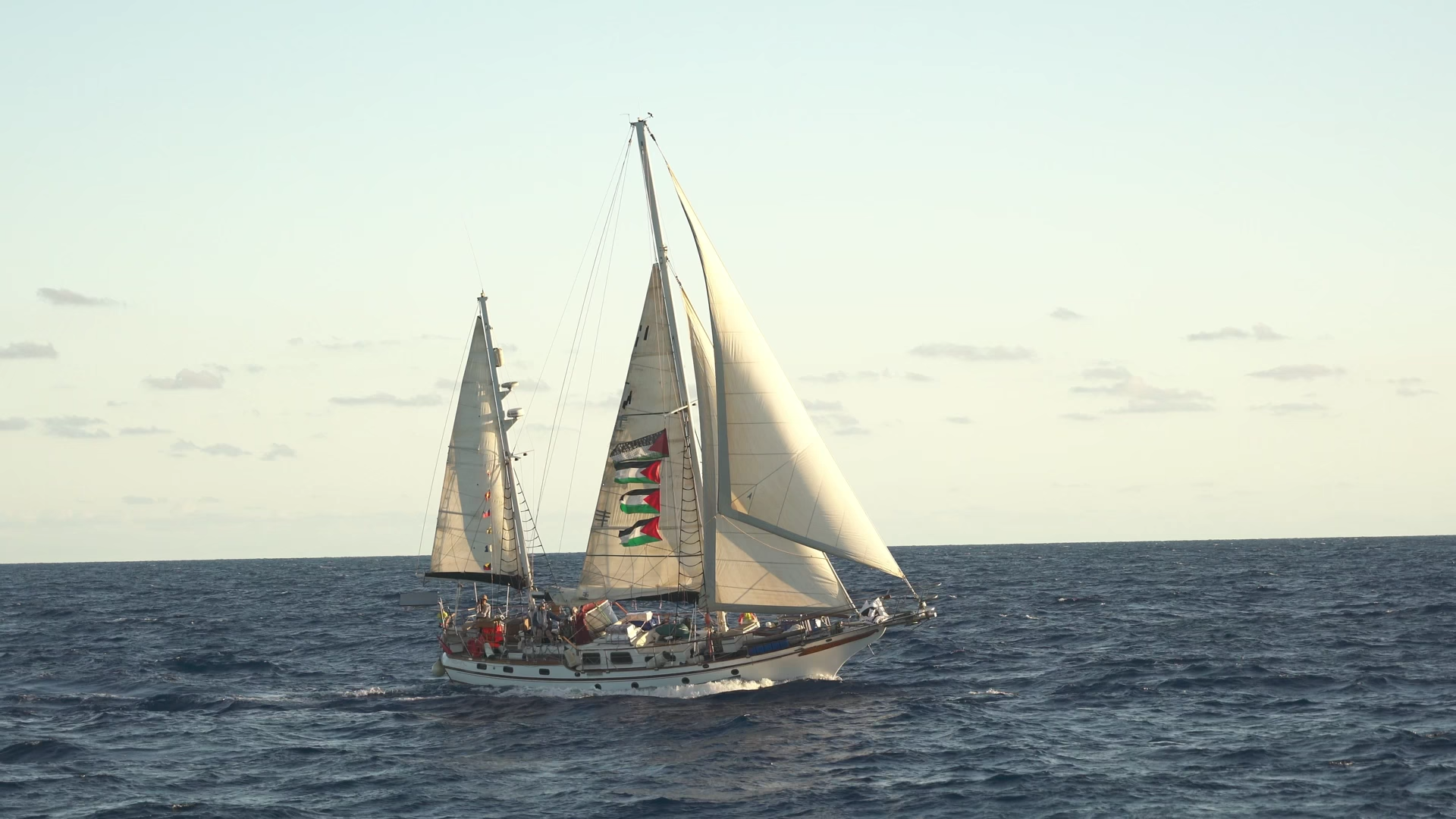
As the Global Sumud Flotilla sails toward Gaza, we convene not just to break a siege, but to dismantle the system that created it. This Congress asserts that Palestinian liberation is fundamental to global justice and that the ongoing Nakba must end.
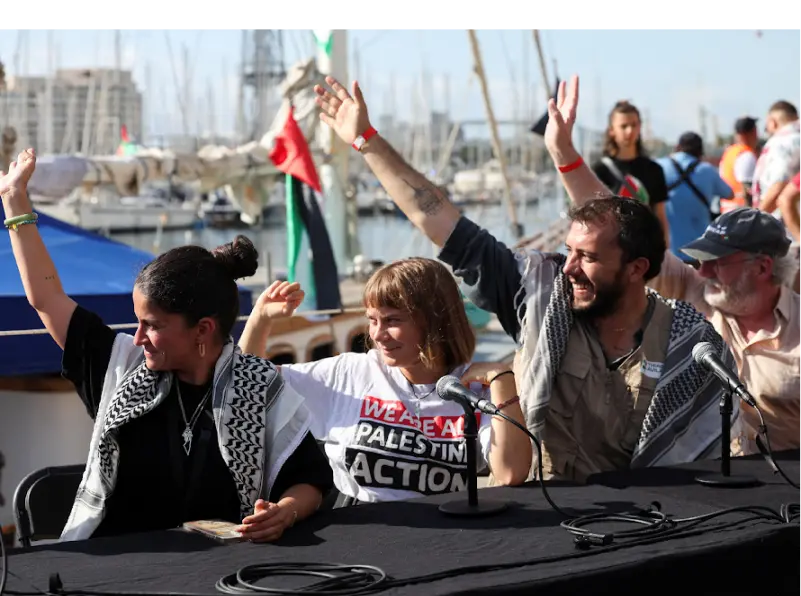
Why Join
Despite the so-called "ceasefire," Gaza faces a humanitarian catastrophe. Over 18,500 civilians require specialized medical care that the Israeli regime's siege has made impossible to access. Hundreds of thousands of children face acute malnutrition as the regime intentionally blocks aid at land crossings.
The illegal Israeli siege has systematically dismantled hospitals, blocked medicine, and severed Gaza from the outside world. Most of the world's governments have condemned it but done little to stop it.
And the failure to act has emboldened violence and violations elsewhere.
Last year, the Global Sumud Flotilla's mission generated supportive statements from sixteen states and demonstrated that coordinated political will can translate into concrete action. It proved that governments can be moved and that a legally grounded international response to siege, genocide, and militarism as a whole can be achieved.
But to secure it, the coalition must grow. That is why the Global Sumud is convening its inaugural Parliamentary Congress, and inviting political leaders from every country to join us in Brussels and turn condemnation into action.
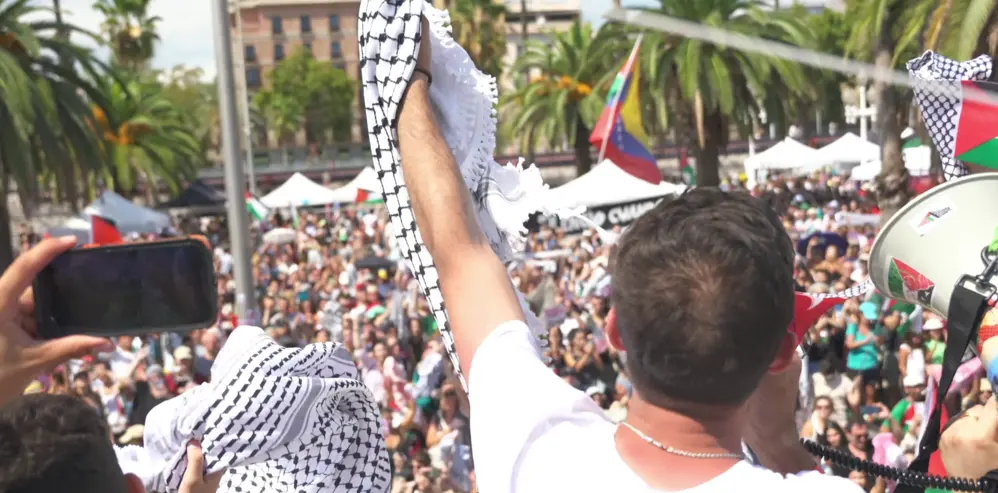
Why Now
We are living through a dangerous realignment. A minority of powerful states are reasserting the right to take what they want by force. The international order is being tested, and how the world responds to Gaza will determine what is permissible everywhere else.
On 12 April, the Global Sumud Flotilla will set sail once again toward Gaza. It will be the largest civilian sea mission for Palestine in history, with thousands of participants and over 100 boats.
The flotilla's voyage will create a narrow window for meaningful political intervention and reveal the urgent need for strong political leadership to deliver it. By convening while the mission is underway, the Congress enables political leaders to:
- Reinforce humanitarian protections in real time
- Accelerate multilateral recognition of a maritime corridor to Gaza
- Introduce or advance legislation in home countries to halt arms transfers to Israel
- Build momentum for Palestinian-led reconstruction and recovery
- Reject the precedent that powerful states may act without consequence
Participants
Building an Anti-Colonial Coalition
The Congress will bring together political leaders and institutional actors from every continent across the world, including:

Parliamentarians
Members of national and regional legislatures from Europe and across the world.

Government Representatives
Ministers, diplomats, and senior officials from foreign affairs and relevant ministries.

International & Legal Experts
Special rapporteurs, humanitarian leaders, and legal authorities.

Civil Society & Humanitarian Networks
Organizations and professional bodies supporting humanitarian access and reconstruction.
The Brussels Declaration
The Global Sumud's inaugural congress centers on a declaration that is both an immediate humanitarian necessity and a historic political stand. At its heart is a call to establish a UN-verified humanitarian maritime corridor grounded in international law. The declaration is an assertion of:

Right of Access
The right of the Palestinian people to freely access their own waters and territory and to continuously receive basic necessities unimpeded.

Right to Self-Determination
The right of the Palestinian people to lead their own reconstruction and pursuit of justice, free from the imposition of foreign powers.

Rejection of Impunity
The rejection of the precedent that powerful states may act without consequence. A just world for Palestinians is a just world for all of us.
Agenda
Brussels, 22 April 2026
Registration & Welcome Coffee
Opening Ceremony
Session I – Making Sense of the New Reality
Comprehensive briefing on the humanitarian situation in Gaza, covering food security, health and medical supplies, shelter, water/sanitation/hygiene, fuel for essential services, and protection risks for civilians and humanitarian actors.
Coffee Break
Session II – Breaking the Blockade: Civil Society Initiatives, Effectiveness, and the Next Phase
This session traces why civil society initiatives emerged, assesses their effectiveness and constraints (legal/regulatory, operational/security, political pressure, and coordination), and looks ahead to the next phase—stronger legal grounding, better coordination, and clearer impact metrics through durable coalition-building.
Networking Lunch
Session III – Ending Complicity: Policy Levers on Arms Transfers, Settlements, and Trade
This session moves beyond access to address the enabling policies that sustain unlawful realities—arms transfers, security cooperation, and settlement-linked trade and finance. It will examine practical measures to prevent complicity, including tighter arms export controls, procurement and corporate due-diligence standards, restrictions on settlement-related goods and services, and targeted accountability tools—ending with clear follow-up commitments.
Session IV – Ending Impunity: The Parliamentary Role in Accountability
This session examines how parliamentarians can use legislative, oversight, budgetary, and diplomatic tools to advance accountability for grave violations and strengthen compliance with international law—through hearings and inquiries, support for evidence preservation, sanctions and export controls, due-diligence and procurement rules, scrutiny of security cooperation, and engagement with international justice mechanisms—aiming for coordinated, actionable commitments.
Coffee Break
Session V – Working Together: Building a Functional Global Sumud Network
This session focuses on how to design and operationalise a credible, coordinated Global Sumud network that can act collectively rather than symbolically. It will cover structure and decision-making, membership criteria, a shared workplan, secure coordination, and practical collaboration across parliaments—agreeing roles, protocols, and timelines for rapid response and sustained follow-up.
Signing of the Brussels Declaration & Closing Ceremony
The proposed humanitarian maritime corridor is firmly grounded in International Humanitarian Law, the Law of the Sea, and the San Remo Manual on Armed Conflict at Sea.
Join the Congress
Brussels, 22 April 2026
This Congress offers political leaders a chance to act together in this historic moment in defense of humanitarian law, civilian protection, and our most fundamental principles. Participation declares not only solidarity with the Palestinian people, but a bold stand against the might-makes-right order being imposed upon us all.
Political representatives and their staff are invited to register.
About the Global Sumud Flotilla
The Global Sumud Flotilla is a civilian-led maritime mission delivering humanitarian support and reconstruction assistance to Gaza while challenging the blockade that has restricted the movement of people, medical supplies, and essential materials.
The flotilla brings together international volunteers, medical and reconstruction teams, and humanitarian supplies intended to assist in the rebuilding of homes, hospitals, and schools.